Americans Shouldn’t Forget about Farming Before Mechanization
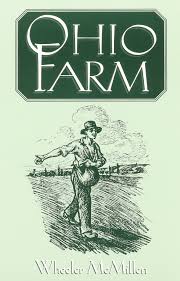 The mechanization and computerization of society has been so rapid over the past century that our minds instinctively look to the future to find out what’s next. We’ve all but forgotten that it wasn’t that long ago that the horse was the energy source for both farming and warfare.
Wheeler McMillen grew up on a typical American farm in the years right before mechanization changed everything forever. His book Ohio Farm (1974) focuses on the example of his father Lewis as representing small-farm, small-town agricultural life in the “golden years” of 1900-1915: “They prized independence; they were hardworking, honorable, economical, and generally public-spirited citizens.”
The family’s workhorse (“Old Doc”) seems to symbolize the difference between then and now. Cash outlay was minimal over the 34 years of the horse’s life. Food was free from the harvests. There were no veterinary bills or insurance policies needed: “Since the horses had the hard work to do, and would as busy as the men all summer, simple wisdom demanded that they be treated considerately. During the first week or so of plowing days they were permitted to stop for frequent rests, because their muscles were soft from the comparative idleness of winter. On warm days, when their breathing become fast, the plow was stopped to allow them to cool off.”
Of course, farmers today are just as motivated to care for their expensive machinery to prevent breakdowns. It seems just as likely that plantation farmers in the Old South would have done likewise. McMillen suggests that such practicality is built right into the natural order: “The cow permits herself to be milked, and the sheep yields up her wool. The horse, despite his great strength, stupidly lets man make him into a slave laborer” in exchange for ample food, comfortable housing, and parent-like care.
McMillen’s fondness for the childhood on the farm is especially based on his family’s respect for the animals: “The barn looked empty and lonesome for a few days after the winter livestock had been sold. The horses were still there at night, and the cows could not go to pasture yet; but the warm fragrance and quiet rustle of a barn full of animals was missing. Their departure meant that the winter’s work was finished. It was spring again, time to push on with the plowing and planting.”
Ohio Farm can be studied for ways to live cheaply and happily without becoming immersed in consumerism. People grew what they wanted to eat. Sharing meals with neighbors was a common entertainment, and “The company menu offered few surprises. Home-produced foods, according to the season, were expected. A ‘boughten’ menu would have been considered inferior, extravagant, or pretentious: the hostess would have apologized.”


